

Redness, watering, irritation, and blurry vision can point to both eye allergies and dry eye. Although these conditions share several symptoms, they develop for different reasons and call for different treatments. Knowing the difference can help you decide when it's time for a professional evaluation.
During comprehensive eye exams at Family Vision Care Optometry, we help patients identify what's really causing their symptoms so they can find lasting relief.
Why It's Easy to Get Them Mixed Up
Your eyes have a limited number of ways to respond to irritation. Whether the trigger is pollen or an unstable tear film, the result can look surprisingly similar.
In the East Bay, seasonal pollen, windy days, long hours on digital devices, and dry indoor air can all contribute to irritated eyes. Some people even experience allergies and dry eye at the same time, making it even harder to pinpoint the source.
An eye exam can identify the underlying cause and help you avoid treatments that miss the mark.
Eye Allergies: An Immune System Response
Eye allergies, or allergic conjunctivitis, develop when the immune system reacts to allergens such as:
-
Tree, grass, or weed pollen
-
Dust mites
-
Pet dander
-
Mold spores
The reaction releases histamine, leading to inflammation and irritation.
The Biggest Clue Is Itching
If itching is your main complaint, allergies are often the culprit.
Other common signs include:
-
Red eyes
-
Excessive tearing
-
Puffy eyelids
-
Clear, watery discharge
-
Sneezing or nasal congestion
Symptoms often appear after spending time outdoors or around known allergens.
Dry Eye Symptoms: When Tears Can't Keep Up
Healthy tears keep the eyes smooth, comfortable, and protected. Dry eye syndrome develops when you don't produce enough tears or when tears evaporate too quickly.
Common contributors include aging, prolonged screen use, meibomian gland dysfunction, hormonal changes, contact lens wear, certain medications, and environmental factors such as wind or air conditioning.
Rather than itching, dry eye usually feels like irritation that builds over the course of the day.
More Burn Than Itch
People with dry eye commonly describe:
-
Burning or stinging
-
A gritty or sandy sensation
-
Fluctuating blurry vision
-
Eye fatigue
-
Light sensitivity
-
Stringy mucus
Watery eyes may seem unexpected, but they are common. When the eye becomes too dry, it may produce reflex tears that don't provide lasting lubrication.
When the Symptoms Overlap
Allergies can inflame the eye's surface and destabilize the tear film. Dry eye can make the eyes more sensitive to environmental allergens. Even some allergy medications can contribute to dryness.
When both conditions are present, over-the-counter eye drops may only address part of the problem. That's why persistent irritation deserves a closer look.
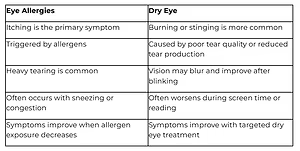
Eye Allergies vs. Dry Eye at a Glance
Find Relief With Trusted Eye Care in Concord, CA
The best treatment starts with an accurate diagnosis.
At Family Vision Care Optometry, we evaluate your tear film, eyelids, and the surface of your eyes to determine what's causing your irritation. From there, we create a treatment plan that may include artificial tears, allergy medications, lid hygiene, punctal plugs, or other therapies based on your needs.
If your eyes itch, burn, water, or stay red despite over-the-counter products, book an eye exam today.
Eye Irritation Frequently Asked Questions
Can eye allergies make my eyes feel dry?
- Yes. Allergies can disrupt the tear film, leaving your eyes feeling dry and irritated. Some allergy medications may also contribute to dryness.
Why do dry eyes water?
- Dry eyes often trigger reflex tearing. These tears lack the balance needed to keep the eye comfortably lubricated, so they provide only temporary relief.
Can I use allergy drops for dry eye?
- Not usually. Allergy drops target itching and inflammation, while dry eye treatments improve tear quality and lubrication. Using the right treatment depends on the cause of your symptoms.