Myopia Management for Children in the Concord Area
We provide myopia management for children whose nearsightedness is getting worse, using evidence-based options to help slow that change. Our goal is to support clear vision now and protect long-term eye health with a plan that feels realistic for your child and family.

Myopia & Your Child’s Vision
Myopia (nearsightedness) causes distant objects to appear blurry and often worsens as children grow. For some kids, the prescription can rise quickly, affecting how they see in the classroom, at sports, and in daily life. At Family Vision Care Optometry, we focus on identifying which children are at higher risk for progressing myopia and recommending steps that fit their age, prescription, and lifestyle.
Our Approach to Slowing Childhood Myopia
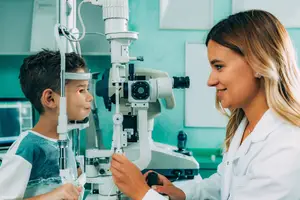
Myopia management starts with a detailed eye exam and a careful look at your child’s prescription history, family history, and daily habits. We talk about how much time they spend outdoors, how much close work they do, and what symptoms you or they have noticed.
From there, we outline appropriate options: MiSight® soft contact lenses, Stellest® spectacle lenses, or low-dose atropine and explain what each involves, including follow-up visits and what families can expect.
MiSight® Soft Contact Lenses
MiSight® lenses are daily disposable soft contact lenses designed for children with myopia. They correct vision for everyday tasks and are also structured to help slow the progression of nearsightedness in eligible patients.
We fit these lenses carefully, teach children how to handle them safely, and schedule regular follow-up visits—often in conjunction with a general eye exam—to monitor eye health and ensure the lenses are supporting both vision and comfort effectively.


Stellest® Spectacle Lenses
Stellest® spectacle lenses are designed for children who either are not ready for contact lenses or prefer to wear glasses. These lenses correct vision while using specific optical zones to control how light focuses in the eye, aiming to slow myopia progression.
We select frames that fit well and position the lenses correctly, and we monitor changes at each visit to see how the prescription is responding.
Low-Dose Atropine Drops
Low-dose atropine eye drops are another tool for managing childhood myopia. For some children, drops can be a good choice either on their own or in combination with other approaches.
We discuss how the drops are used, potential side effects, and the follow-up schedule needed to monitor their effect. Any atropine plan is tailored to the individual child and reviewed regularly to make sure it remains appropriate.


Monitoring Progress & Follow-Up
Myopia management is an ongoing process, not a single visit.
We set a follow-up schedule based on your child’s age, prescription, and chosen treatment, often seeing them several times a year to reassess vision and eye health and to evaluate how the plan is working.
At each appointment, we review any changes, compare current findings with prior exams, and adjust the approach as needed to ensure the plan continues to make sense for your child.
Schedule a Myopia Management Evaluation
If you’ve noticed changes in how your child sees the board at school, holds books or devices, or relies more heavily on glasses than before, a myopia-focused evaluation may be helpful. During this visit, we assess their vision, discuss risk factors, and explain the options available. We work with you to create a plan that fits your child’s needs and can be followed comfortably over the long term.